Podcast

Baby sleep: Tips & Guidance with Beth from This is Your Baby.
This month for Midwife Monthly, we are joined by Beth from This is Your Baby for advice on baby sleep. If your baby is waking frequently through the night and you’re feeling exhausted, it’s completely normal to want more sleep. That doesn’t make you selfish. It makes you human.
And just as you might feel like you’re finding your rhythm… the clocks change at the end of March, bringing one less hour in the morning and often a little more disruption to already broken nights. If you’re feeling confused about what to expect from your baby’s sleep, you’re not alone. There is so much conflicting advice out there, and when you’re tired and doing your best, it can feel overwhelming.
The goal isn’t perfection. It’s rest. It’s about creating gentle rhythms that support your baby’s development while also helping you to function and feel like yourself.
Does everyone struggle with sleep deprivation?
In short, yes. One of the most common questions I hear is:
“When will I sleep again?”
Or more specifically: “When will I get longer stretches of uninterrupted sleep?”
If you’re asking this, you’re not alone. Sleep is not a luxury, it’s a necessity. Adults are recommended to get between seven and nine hours of sleep per night, and even just five uninterrupted hours can significantly reduce the risk of postnatal depression. For new parents, especially in the early weeks, that can feel completely out of reach.
The early days are about survival. Feeding, settling, changing, learning your baby, and learning yourself in this new role. It’s a lot. But it won’t always feel this intense. You will sleep again.
What is safe sleep for a baby?
Since the “Back to Sleep” campaign launched in 1991, SIDS deaths in England and Wales have reduced by 81%. That guidance has saved more than 30,000 babies.
The key recommendation is simple: Your baby should sleep on their back, on a firm, flat surface, in a clear sleep space such as a cot or Moses basket, in the same room as you.
For more detailed guidance, The Lullaby Trust provides excellent, evidence-based advice.
Where do I start improving with my baby’s sleep?
There’s no single “right” way, but it can help to begin by asking yourself a few questions:
- How important is routine to me?
- Do I want my baby in my room, or in their own space?
- Am I comfortable with bed-sharing?
- Do I want to respond immediately to every cry, or allow space for settling?
There is no judgement here. Your answers are yours, and they are valid.
Gentle steps you can begin now:
You don’t need to overhaul everything at once. Small, consistent changes can make a big difference over time.
- Feed regularly during the day (aiming for no more than four hours between feeds)
- Watch for sleepy cues and respond early
- Begin simple, consistent routines – what happens in the day influences the night
- Cuddle your baby in the position they will sleep (on their back)
- Offer opportunities for gentle self-settling, while responding quickly if they become unsettled
At night, a simple bedtime routine can help signal that sleep is coming. In the early days, this might include feeding your baby to sleep. Over time, you may choose to gently shift towards putting your baby down awake so they try to fall asleep in their own space.
There is no fixed timeline. You move at a pace that feels right for you and your baby.
There are so many opinions, who shall I listen to?
This is where many parents feel stuck. Some advice says never put your baby down. Other advice says they must learn to self-soothe early. It’s no wonder it feels confusing. The truth is, there is no one-size-fits-all approach. The best strategy is the one that works for your baby, your family, and your values.
Once you find an approach that feels right, consistency helps your baby feel secure and reduces mixed messages.
A supportive way forward:
Helping your baby learn to sleep is a gradual process. In the beginning, it’s about doing whatever works. Over time, you can gently support your baby to settle more independently. It’s not about rigid routines or strict sleep training. It’s about understanding what is normal, tuning into your baby, and making small, manageable shifts.
With the right support, sleep does improve.
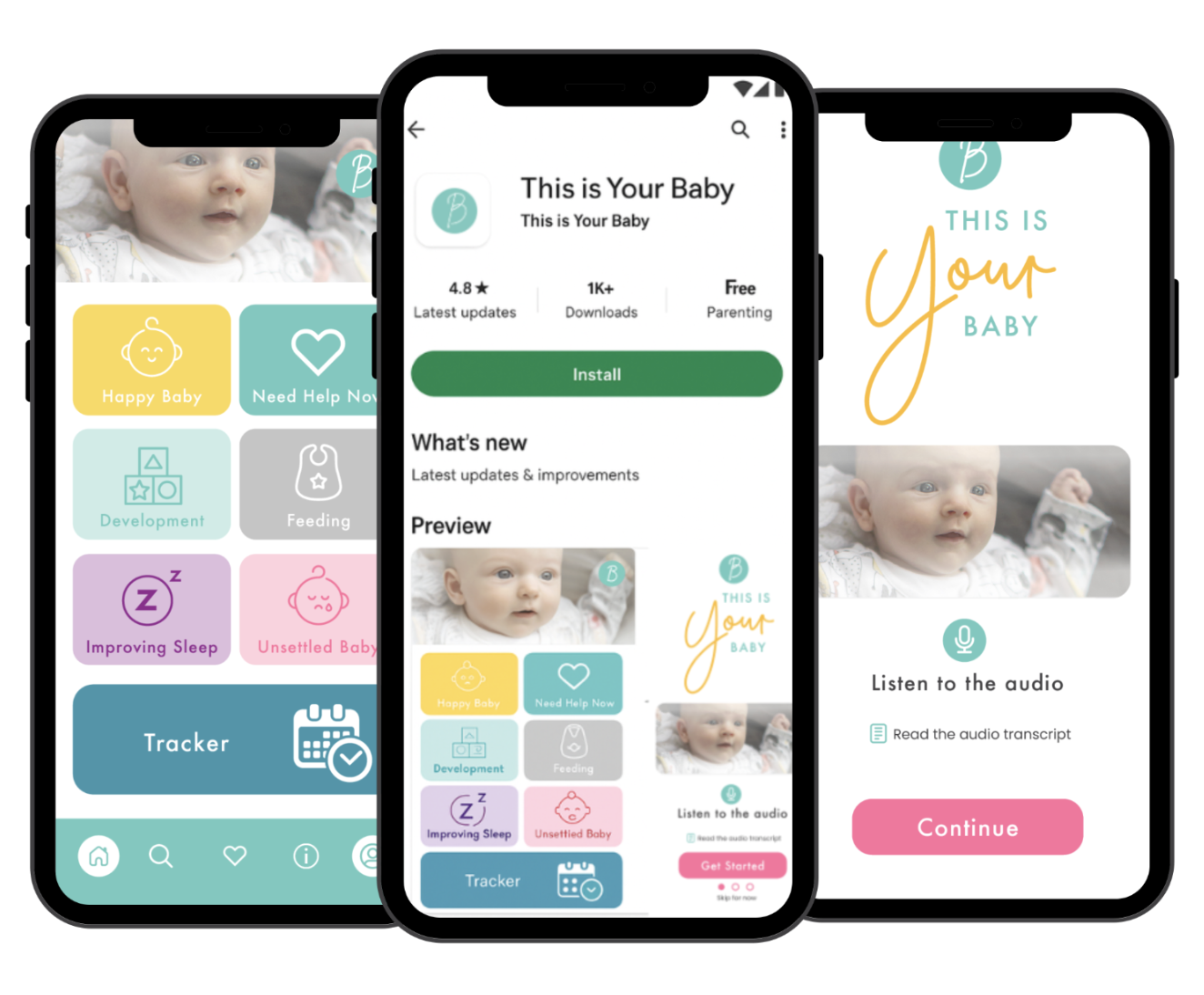
You don’t have to figure it all out alone…
If you’re looking for calm, practical guidance, you’ll find gentle, step-by-step support inside the This Is Your Baby app. It’s designed to help you feel more confident in those early months, with guidance on feeding, sleep, soothing, and your baby’s development, alongside a simple tracker to support you day to day.
You can explore more at https://www.thisisyourbaby.com
Or download the app here:
Apple App Store: https://apps.apple.com/redeem?ctx=offercodes&id=1660553814&code=BABY30
Google Play: https://play.google.com/store/apps/details?id=com.beth.hba
You can use the code BABY30 for 30 days free access.