Podcast
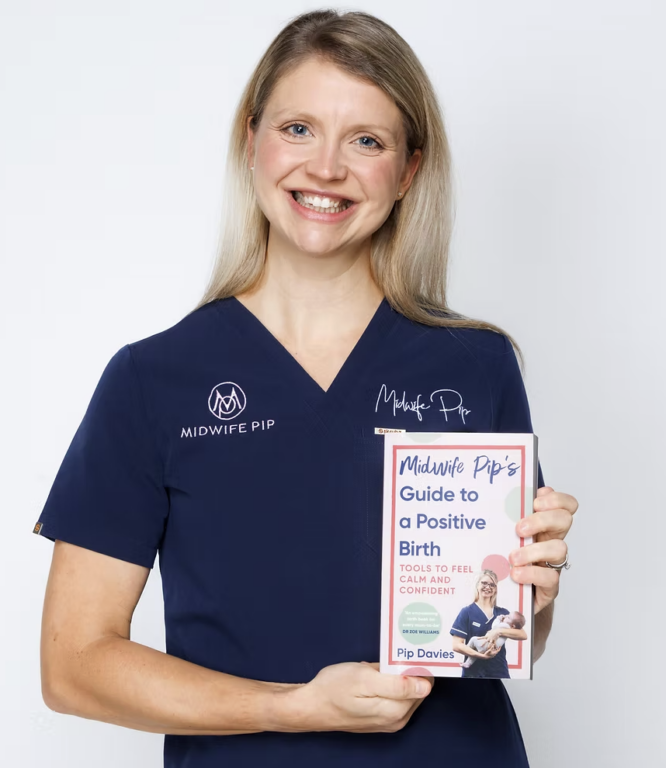
This April, we are acknowledging C-section Awareness Month by understanding more about recovery with the amazing Midwife Pip. Whether you have a planned or emergency C-section, after care is extremely important when it comes to postpartum recovering and healing.
Looking after your scar is an important part of recovery, and it does not need to be complicated. With a few simple, consistent habits, you can support how your scar looks, feels, and moves over time…
In the earlier stages of healing, keeping your scar clean and reducing the risk of infection is key. Make sure your hands are clean before touching the area, follow any advice you have been given around dressings, and try to avoid unnecessary touching. If you notice increasing redness, swelling, warmth, discharge, or pain, it is always best to get it checked. Preventing infection gives your body the best chance to heal smoothly.
Once your wound is fully healed it is safe to begin scar massage which can be a really helpful addition to your routine. Research suggests that regular scar massage may help improve how flexible the scar feels, reduce tightness, and ease symptoms like discomfort or itching. It is thought to work by improving blood flow to the area and helping the tissue remodel in a more organised way.
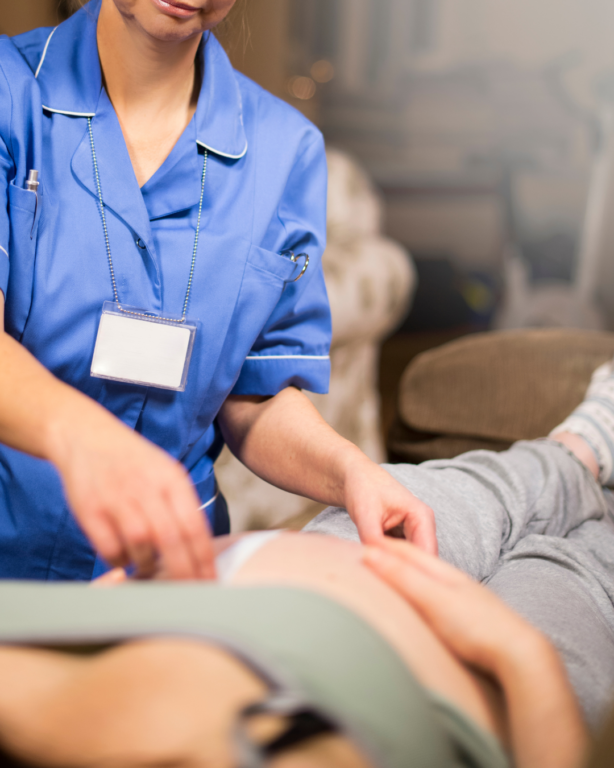
Getting started is simple. Apply a small amount of a gentle, fragrance free moisturiser or oil to the area. Using one or two fingers, press lightly into the scar and move in small circles. You can also move the skin up and down, side to side, and if it feels comfortable, gently lift and roll the tissue. The pressure should feel firm but not painful. Aim for around five to ten minutes daily or every other day to start. It is the regular, gentle input over time that really makes the difference.
There are also a few simple things you can do at home to support healing from the inside. Protein is especially important, as it provides the building blocks your body needs to repair tissue and form new collagen. Including foods like eggs, fish, meat, dairy, beans, or lentils in your meals can really support this process.
Staying well hydrated helps your skin stay more supple, and keeping the scar moisturised can improve comfort and flexibility as it heals. Bowel habits are something people do not always think about, but they matter. Straining or constipation can place extra pressure on healing tissues, especially after abdominal or pelvic procedures. Making sure you are getting enough fibre, fluids, and gentle movement can help keep things regular and reduce unnecessary strain.
It is also worth protecting your scar from the sun, as new scar tissue is more sensitive and can darken more easily.
Healing takes time, and scars can continue to change for many months. Being consistent, patient, and kind to your body during this process can make a real difference.
Every scar tells a story. Taking care of it is simply another way of supporting your body as it heals.