Podcast
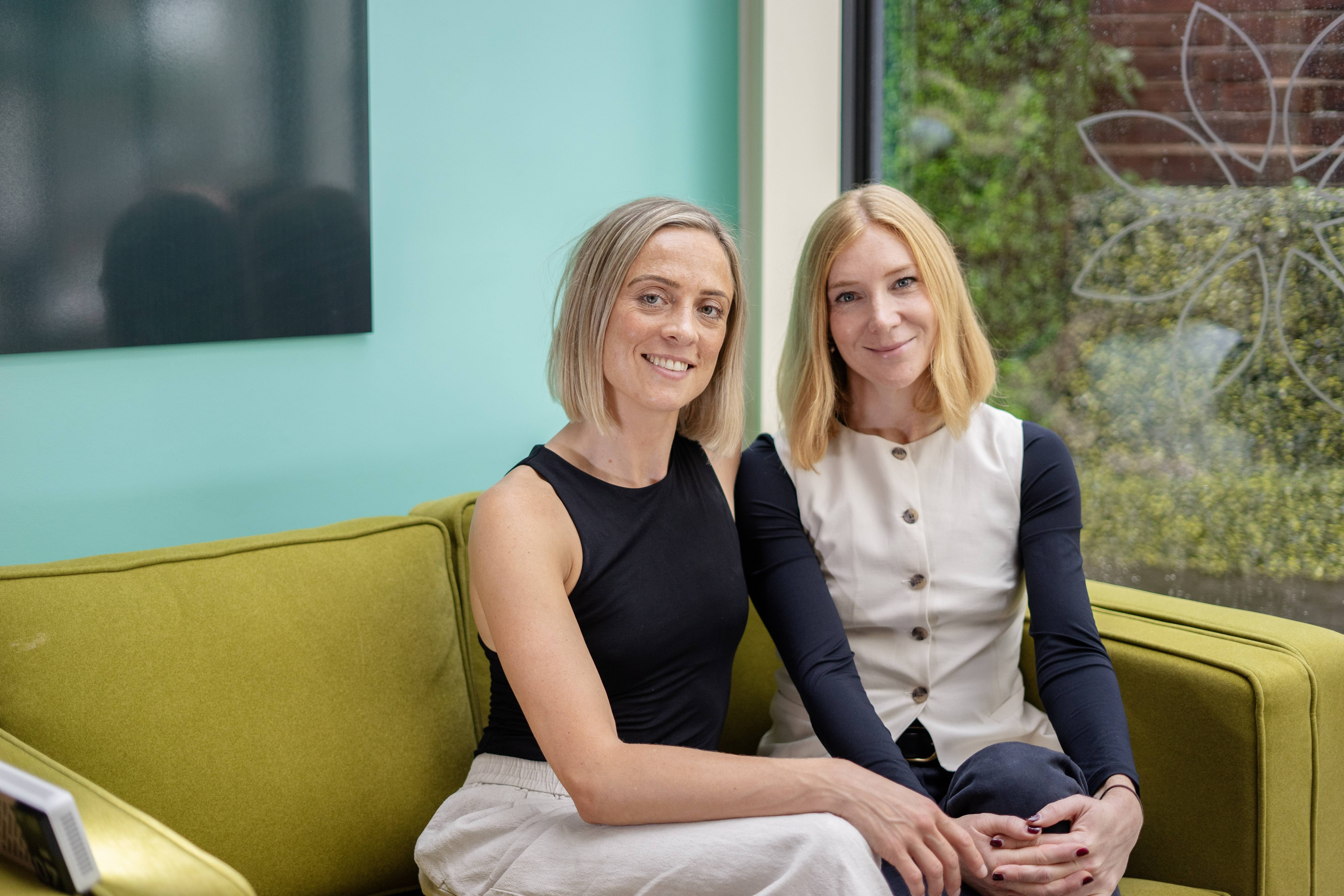
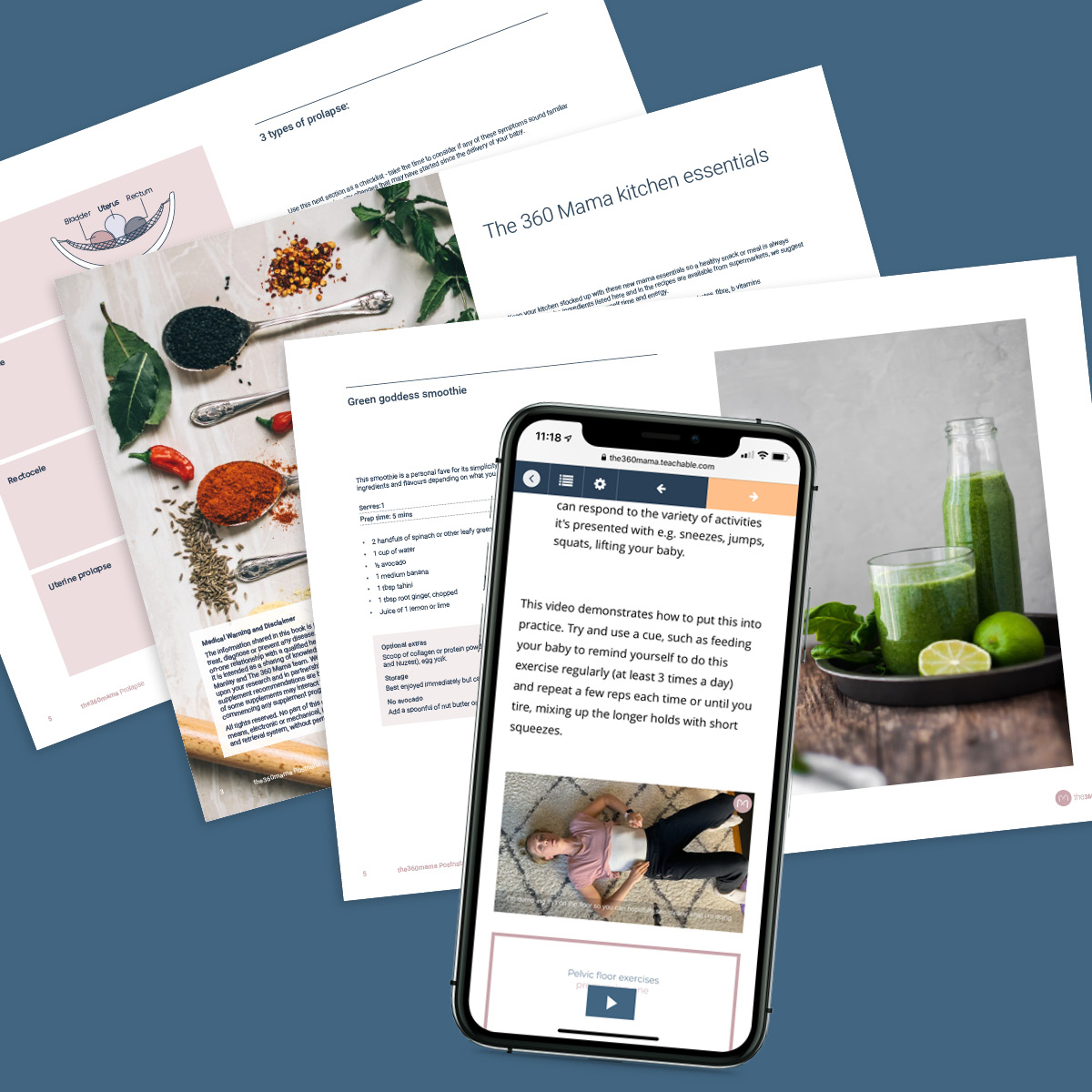
We have teamed up with The 360 Mama, who specialise in supporting women through this exact journey. As authors of The 360 Mama Guide to C-Section Recovery or through their online courses, they combine clinical knowledge with real-life understanding to support both the physical healing and mental health journey, that so often go hand in hand.
Birth doesn’t always unfold the way we hope or expect. For many women, recovering from a C-section birth can feel unexpected, overwhelming, and at times, isolating – even with planned C-sections women often don’t know what to expect. Where possible, we recommend always considering your preferences for a C-section birth even if it’s not your first choice and including an alternative birth plan should a cesarean birth be necessary. In the instance that your birth plans need to change, having some control over your environment, surroundings and knowing that your preferences are being taken into consideration can have a really positive impact on how you feel about your birth.
In the early postpartum days the focus is often on your baby. Your own recovery—both physical and mental health—can be quietly overlooked. Again, having some plans in place ahead of time can make the experience a lot easier for you and for the rest of the family. Rest will be really important and should be prioritised as much as possible, both for your body to heal physically and to support your mental health.
If you’re finding it harder than you expected, please know this: you are not alone, and your feelings, mental health and concerns are important to acknowledge.
A C-section is a major abdominal surgery. It involves multiple layers of tissue, muscle, and the uterus itself, and recovery can take time—often longer than many are led to believe. Around 1 in 4 births in the UK are by caesarean, yet many women report feeling underprepared for what recovery feels like. This, combined with potential negative feelings surrounding your birth can really impact your recovery and mental health – especially in the case of unplanned or emergency cesarean birth- with physical symptoms intensified by your nervous system getting ‘stuck’ in a heightened state of stress.
Common physical symptoms can include pain, numbness, scar sensitivity, core weakness, and even pelvic floor dysfunction—something often mistakenly associated only with vaginal births. It’s not uncommon to feel disconnected from your body, or to find that you’re struggling to process or accept your birth experience which can affect your mental health – especially if a c-section birth was not something you planned for.
Recovery isn’t just physical. For some women, the impact on mental health from their birth experience can be just as significant and may be long-lasting. Studies suggest that up to 1 in 3 women describe their birth as traumatic, and around 4–5% may go on to develop symptoms of post-traumatic stress.
You might feel grief over how your birth unfolded, guilt about needing a C-section or even a sense of failure, loss of confidence in your body, or a loss of control if things didn’t go as planned. Even when your baby is healthy, these feelings can still exist—and they matter.
There is a strong connection between the mind and body. Emotional distress can heighten physical tension, increase pain perception, and affect how safe or confident you feel in your body during recovery. Many mothers report a reluctance to engage with or touch their scar. This is not a sign that you are doing anything wrong. It’s your body’s way of trying to protect you. Acknowledging this is an important part of healing.
Recovery should be slow and gentle. We’ve shared some tips below to help you introduce some self-care routines that encourage both mental health and physical healing.
However your birth unfolded, you deserve care, understanding, and support as you heal.
With the right guidance, recovery can feel more manageable, more connected, and ultimately, more empowering.
Many women feel pressure to “bounce back” or to prioritise everyone else’s needs above their own. But recovery after a C-section requires time, care, and the right support.
Research shows that women who receive guided postnatal rehabilitation and support report improved physical outcomes, greater confidence in movement, and better emotional wellbeing.
References
NHS Digital (2023). Maternity Statistics, England – Caesarean section rates (~25–30%)
Birth Trauma Association (UK) – Estimates that up to 1 in 3 women find aspects of birth traumatic
Yildiz et al. (2017). Prevalence of postpartum PTSD: approximately 4–5% in community samples
NICE Guidelines (Postnatal Care, NG194) – importance of holistic postnatal support